Appraisal vs. Inspection in Mountain Brook Real Estate
December 18, 2025
December 18, 2025
Buying or selling in Mountain Brook and hearing both “appraisal” and “inspection”? It is easy to mix them up, especially with older, architect-designed homes and competitive offers in this market. You want clarity on what each report does, what it costs, and how it affects your price, repairs, and closing. This guide explains the difference, outlines timelines and costs, and highlights Mountain Brook specifics so you can move forward with confidence. Let’s dive in.
An appraisal is a licensed appraiser’s professional opinion of market value at a point in time. The report analyzes comparable sales, makes adjustments, reviews the neighborhood, and documents the property with photos and a description of major systems. Appraisals follow standards such as USPAP and lender or investor rules.
Lenders order the appraisal and select the appraiser. You usually pay the fee as the borrower, either at application or at closing. For conventional, FHA, and VA loans, a state-licensed or certified appraiser is required. The type of appraisal (full interior and exterior, drive-by, or desktop) depends on loan guidelines and risk.
Appraisals are typically ordered after your loan application and contract acceptance. Turnaround is often 3 to 10 business days after the appraiser’s visit, depending on workload and property complexity. Unique or higher-value homes common in Mountain Brook may require more time to locate appropriate comparable sales.
If value comes in below the contract price, common paths include a seller price reduction, you bringing additional cash, or mutual cancellation under an appraisal contingency. You can also ask your lender for a review or reconsideration if you have stronger comparable sales, but results vary. In seller-favored conditions, buyers sometimes include appraisal gap provisions to keep the deal alive, which increases risk and should be considered carefully.
FHA and VA loans include specific appraisal requirements and minimum property standards. Repairs can be required before approval if safety or property conditions do not meet those standards. Conventional loans may allow alternative appraisal formats in low-risk cases, but full interior appraisals are common for distinctive homes.
A home inspection is an independent, visual review of the home’s condition and major systems on the day of the inspection. Inspectors evaluate the roof, foundation, structure, HVAC, plumbing, electrical, insulation and ventilation, interior and exterior features, and note safety concerns. It is not destructive testing and is not a guarantee of future condition. Specialized evaluations, such as mold or radon testing, are separate.
You typically hire and pay the inspector directly. Choose a licensed or certified professional. Your report usually includes detailed notes, photos, and recommendations for repairs or further specialist evaluation.
Inspections are usually scheduled early in your contingency period, often within the first 7 to 10 days after going under contract. Most inspectors deliver reports within 24 to 72 hours. Major concerns are often discussed on-site so you can act quickly.
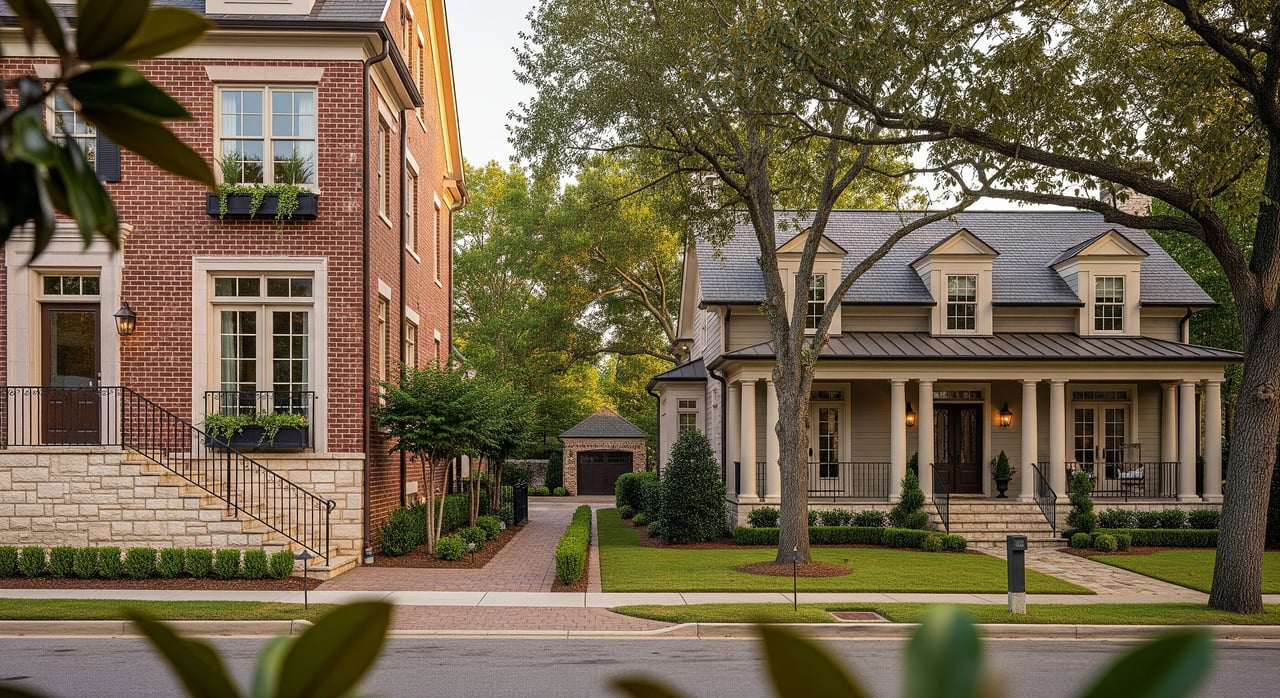
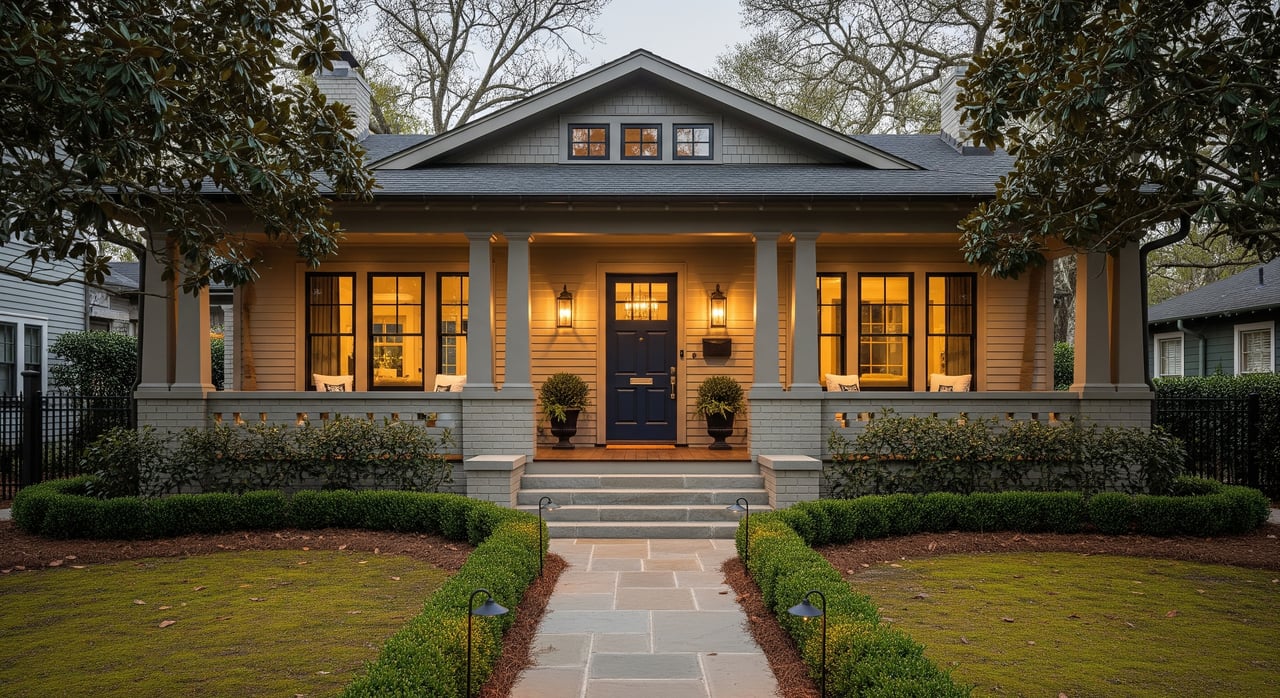
Mountain Brook has many established homes with architectural character. That charm can come with deferred maintenance. Inspections commonly flag older roofing, HVAC near end-of-life, outdated wiring, galvanized plumbing, moisture or drainage issues, foundation settlement, crawlspace ventilation concerns, and evidence of wood-destroying insects.
Historic or unique homes can complicate appraisals due to fewer comparable sales. Appraisers may need to expand the search for similar vintage or quality and make careful adjustments. Detailed documentation of improvements and permits helps support value.
Because of regional termite presence and humidity, a termite/WDO report is a practical step. Crawlspaces and attics should be checked for ventilation and moisture. If a property sits near a creek, a low-lying lot, or a slope, pay close attention to drainage patterns and consider reviewing flood maps and local records.
Unpermitted additions or finished basements can affect both valuation and condition findings. Inspectors may flag non-permitted work, and appraisers may exclude unpermitted square footage from value calculations. Request permits and documentation early.
Remember that Jefferson County tax assessments are not the same as market value. Treat tax history as a reference, not a valuation.
If your inspection reveals material defects or safety issues, you can request repairs, ask for a credit, or cancel within your inspection contingency. Get contractor estimates for major items to support your requests. Focus on health, safety, and system functionality to keep negotiations objective.
If value supports the price, you proceed to underwriting and closing as planned. If the appraisal is below contract price, your options include a price reduction, bringing additional cash to bridge the gap, or cancellation under an appraisal contingency. You can also provide additional comparable sales for a lender review, but outcomes depend on the new data.
Mountain Brook’s mix of older, custom, and high-end homes rewards local expertise. Choose inspectors and appraisers who regularly work in Mountain Brook and Jefferson County. Local familiarity improves the quality of comparable sales, the accuracy of adjustments, and the depth of condition insights. Your agent can recommend professionals who understand local construction types, termite risk, drainage patterns, and permitting practices.
Thinking about your next move in Mountain Brook? Let a concierge-style approach make it easier. From vendor introductions to negotiation strategy, you get clear guidance tailored to your goals. Reach out to TJ Cunningham to schedule your free consultation.



TJ prides himself on his ability to truly listen to his client's needs and desires, ensuring that every transaction is personalized and tailored to your unique preferences.