Townhome vs. Single-Family Living in Homewood
January 8, 2026
January 8, 2026
Trying to choose between a townhome and a single-family home in Homewood? You are not alone. With Homewood’s close-in location, active retail corridors, and well-regarded public schools, both options can fit your lifestyle in different ways. In this guide, you will compare costs, upkeep, HOA rules, space, and resale potential so you can move forward confidently. Let’s dive in.
Homewood sits just south of downtown Birmingham with quick access to UAB, the medical district, and major job centers. You will find a compact downtown, local parks, and shopping that make everyday errands simple. Explore services, parks, and neighborhood info on the Homewood City website.
Public schools are operated by Homewood City Schools. If a home’s school assignment matters to you, always verify by address with the district before you write an offer. For a sense of daily convenience, you can also review general walkability insights on Walk Score’s Homewood page.
In many Homewood areas, townhomes start at lower entry prices than detached homes nearby. That said, newer or well-located townhomes close to commercial corridors can approach single-family pricing. The right comparison comes down to neighborhood, finishes, and walkability.
Your true monthly cost includes mortgage, property taxes, homeowners insurance, utilities, and any HOA dues. Townhomes often have an HOA fee that covers exterior maintenance, landscaping, and common-area insurance, which can reduce your time commitment but add a fixed monthly line item. You can review how county taxes work through the Jefferson County website and budget conservatively until you have an exact estimate for a specific property.
In Homewood townhome communities, HOA dues may cover exterior upkeep, roof reserves, common-area insurance, landscaping, and trash. Always ask for the latest budget, reserve study, and a list of covered services. If you are comparing two properties, match line items side by side so you know what you are paying for.
Lenders underwrite attached properties differently from detached homes. FHA or VA loans for attached units may require project approval or additional documentation. For consumer-friendly guidance on mortgages and underwriting basics, review the CFPB’s mortgage resources.
Insurance also varies. A single-family home typically uses a standard homeowner policy that covers the full structure. Many townhome communities carry a master policy for common or exterior elements, while you carry a personal policy for the interior. Confirm exactly where the master policy stops and your policy begins, then align deductibles to avoid coverage gaps.
Townhome HOAs often have covenants that regulate exterior changes, short-term rentals, and pets. These rules can protect consistency, but they also limit flexibility. Before you commit, review the covenants, recent meeting minutes, reserve levels, and any pending special assessments. If you plan to renovate or rent in the future, confirm approval processes and timelines with the HOA in writing.
For projects that need city permits, you can begin with the Homewood City website to understand planning and zoning contacts and general processes.
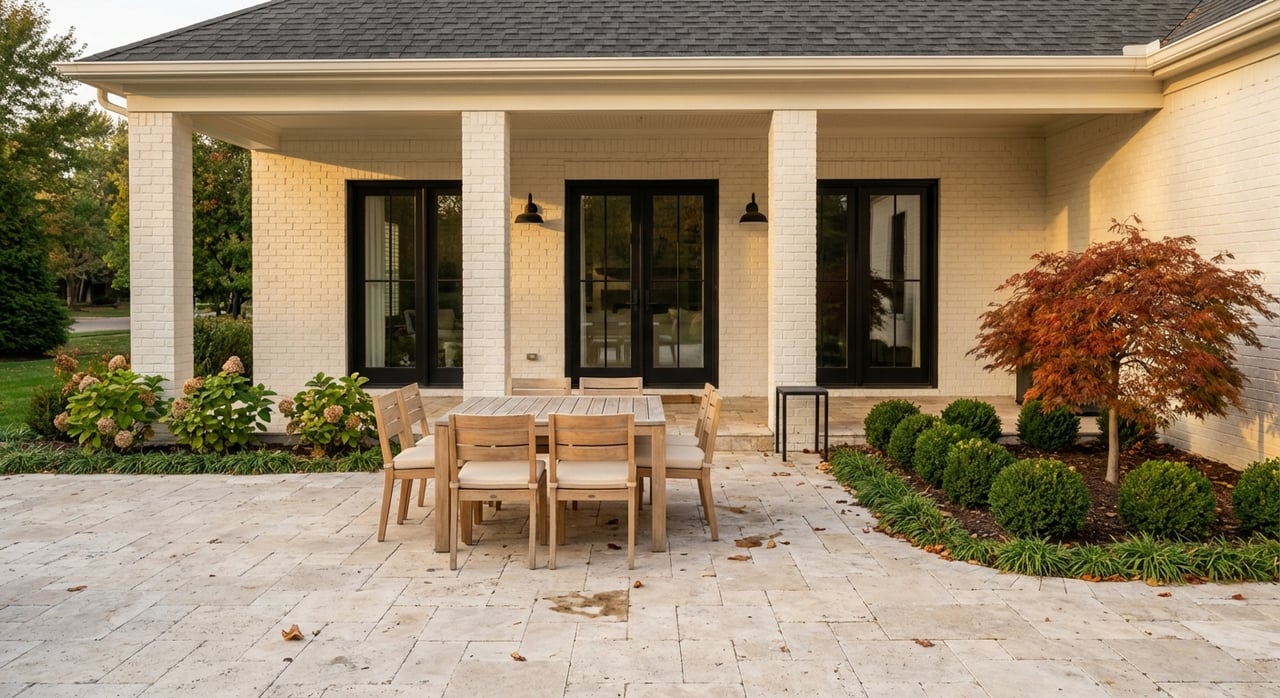
If you want a large private yard, a single-family home usually delivers more space for gardening, pets, and play areas. Townhomes commonly offer small patios or decks, plus shared green space. Mature trees and traditional lot layouts remain a hallmark in many Homewood neighborhoods.
Attached walls can transmit sound, so ask about party wall construction and buffers. Single-family homes typically offer more separation between neighbors, which can mean more privacy and quieter outdoor time.
Single-family homes often provide greater freedom for additions, accessory structures, or extensive landscaping, subject to local zoning and permitting. Townhomes are more limited by both space and HOA design controls. If long-term customization matters to you, investigate zoning and any HOA architectural review before purchase.
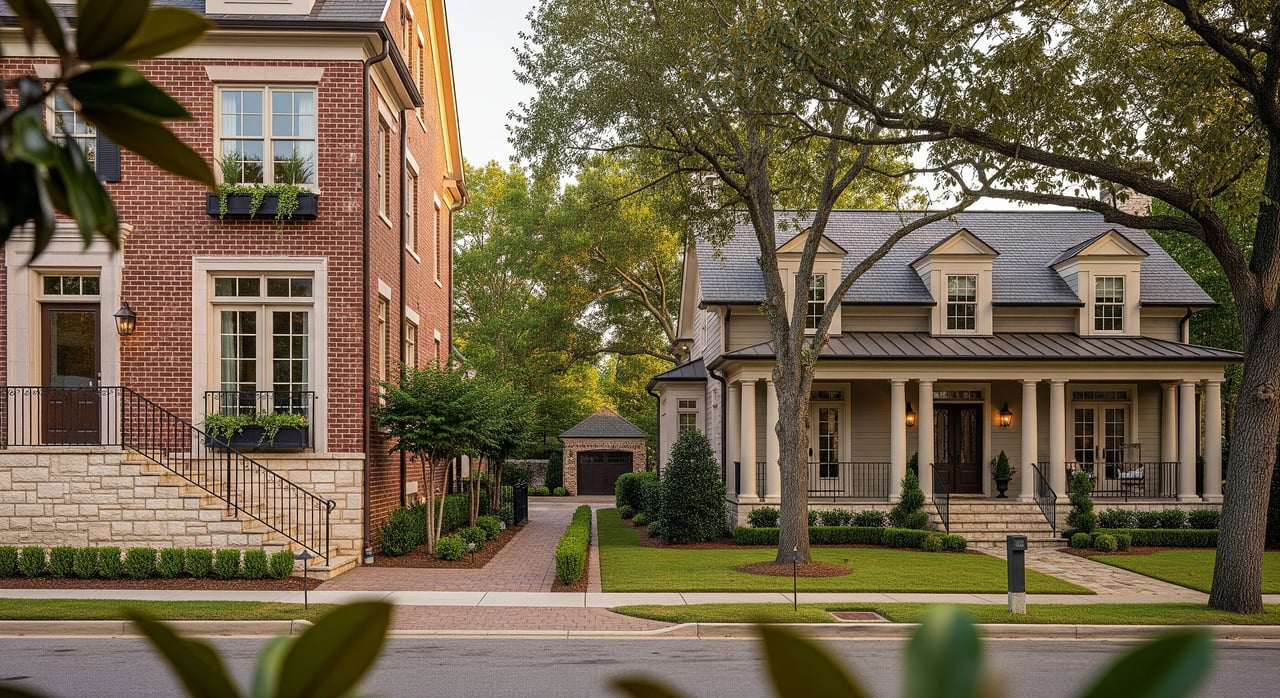
Townhomes in Homewood tend to cluster near commercial corridors and transit routes, which puts you closer to dining, errands, and parks. If you value walkability and a low-maintenance lifestyle, this can be a strong fit. If you prefer a larger yard, quieter streets, or future expansion, a single-family home farther from the busiest corridors might be your match.
Land value, lot size, school district assignment by address, and neighborhood desirability remain core drivers of value. Single-family homes frequently benefit from land scarcity and flexibility, while well-located townhomes can compete strongly when buyers prioritize walkability and low maintenance. For national trends, browse NAR research and statistics.
Townhomes near employment centers or universities may rent well, but HOA rental caps or minimum lease terms are common. Confirm rental rules early if income potential is part of your plan. For broader housing mix context, you can explore local housing type data through the U.S. Census Bureau’s American Community Survey.
| Factor | Townhome | Single-Family |
|---|---|---|
| Entry price tendency | Often lower entry point in the same area | Typically higher for comparable locations |
| Monthly cost variables | Mortgage, taxes, insurance, plus HOA dues | Mortgage, taxes, insurance, variable HOA or none |
| HOA coverage | Exterior, landscaping, common insurance vary by community | Limited or none, fewer shared services |
| Maintenance load | Lower exterior responsibility | Owner handles yard, roof, and exterior |
| Outdoor space | Smaller private areas, shared greens | Larger private yards and more privacy |
| Noise and privacy | Attached walls can transmit sound | More separation between neighbors |
| Financing | Attached underwriting, potential project approval for FHA/VA | Straightforward underwriting |
| Insurance | Master policy plus interior policy | Single policy covering structure and liability |
| Customization potential | HOA approval needed, structural limits | More flexibility for additions, subject to zoning |
| Resale considerations | Depends on location and HOA health | Land value and flexibility often support demand |
| Typical priority fit | Low maintenance and walkability | Yard, space, and long-term adaptability |
Use this list to compare two real homes side by side.
Ready to compare real options in your favorite Homewood pockets? You can lean on a concierge, design-forward process to sharpen your short list, gather HOA documents, and pressure-test total monthly costs before you make a move. If you are planning a purchase or sale, connect with TJ Cunningham to schedule neighborhood tours and a tailored plan.
TJ prides himself on his ability to truly listen to his client's needs and desires, ensuring that every transaction is personalized and tailored to your unique preferences.