A Visual Tour Of Mountain Brook’s Signature Home Styles
March 12, 2026
March 12, 2026
You notice it the moment you turn into the villages: steep gables, brick and stone, shaded porches, and tree‑lined streets that feel tailor‑made for a Saturday stroll. If you are considering a move in Mountain Brook, understanding these architectural cues helps you spot value, match a home to your lifestyle, and plan smart updates. In this visual tour, you will learn how to identify the city’s signature styles, where to see them, and what each one means for everyday living. Let’s dive in.
Mountain Brook was planned in the late 1920s as walkable village centers surrounded by estate‑scale residential lots, an approach influenced by Garden City planning. The city’s adopted Village Master Plan explains this history and highlights how English and Tudor motifs shape the identity of Mountain Brook Village, English Village, and Crestline. You can see that intent today in the pedestrian‑scaled storefronts and the consistent rooflines and materials that frame the streetscape around each core. For a quick snapshot of local population and household data, refer to the city’s profile on Census QuickFacts.
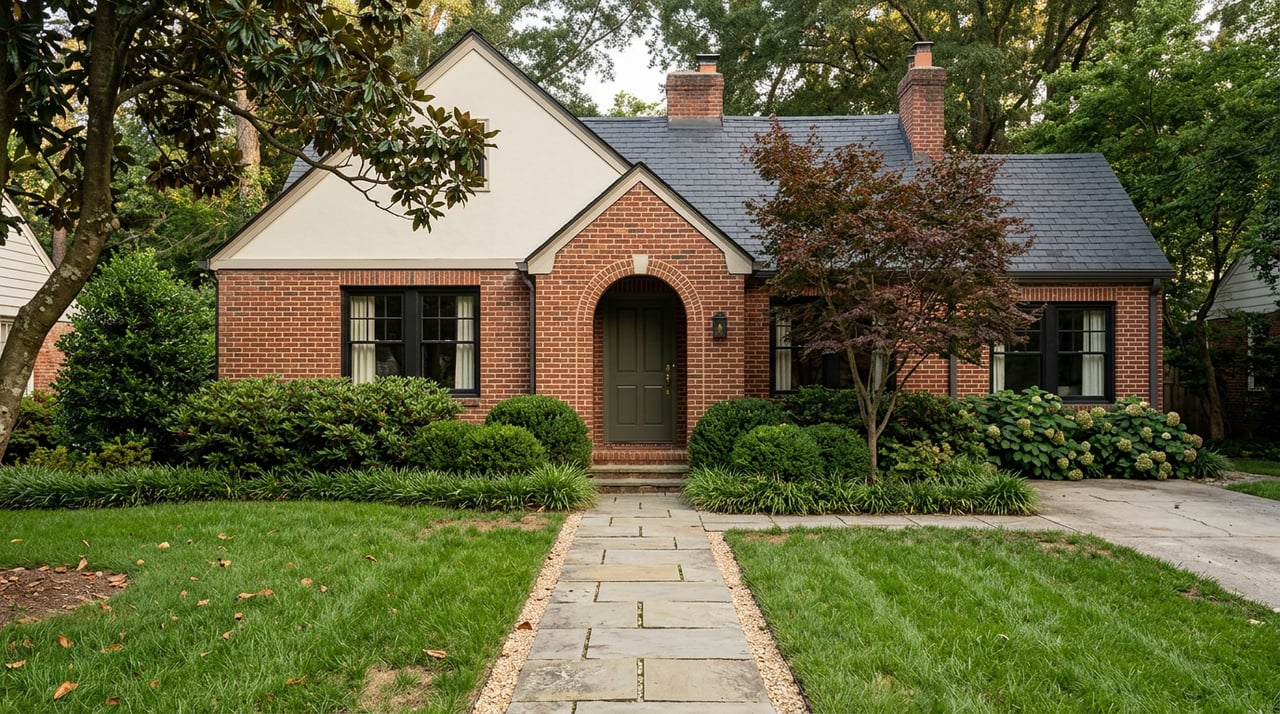
Tudor and English Revival give Mountain Brook much of its storybook charm, especially around the villages. Look for steep, multi‑gabled rooflines, decorative half‑timbering with stucco or brick infill, tall chimneys, grouped or diamond‑pane windows, and arched or stone‑framed entries. These elements create the textured, Old World character many buyers associate with the area. For a concise style overview, see the Tudor style reference from Encyclopedia Britannica. (Britannica)
Tudor interiors often favor a series of smaller, purpose‑built rooms rather than a fully open plan. Expect a defined foyer, a formal living room, a separate dining room, and cozy nooks around a fireplace, sometimes with built‑ins or window seats. Heavy wood trim and beamed ceilings are common, which add atmosphere and warmth.
English Village and the blocks around it are a must‑walk for Tudor storefronts and nearby cottages that echo the same motifs. The Village Master Plan recognizes Tudor Revival as a dominant style in the cores, and you will see close attention to roof pitch, materials, and façade rhythm along these streets. Recent local coverage also notes renewed retail energy that highlights the village’s historic character. (City of Mountain Brook) (Bhamwiki) (Village Living)
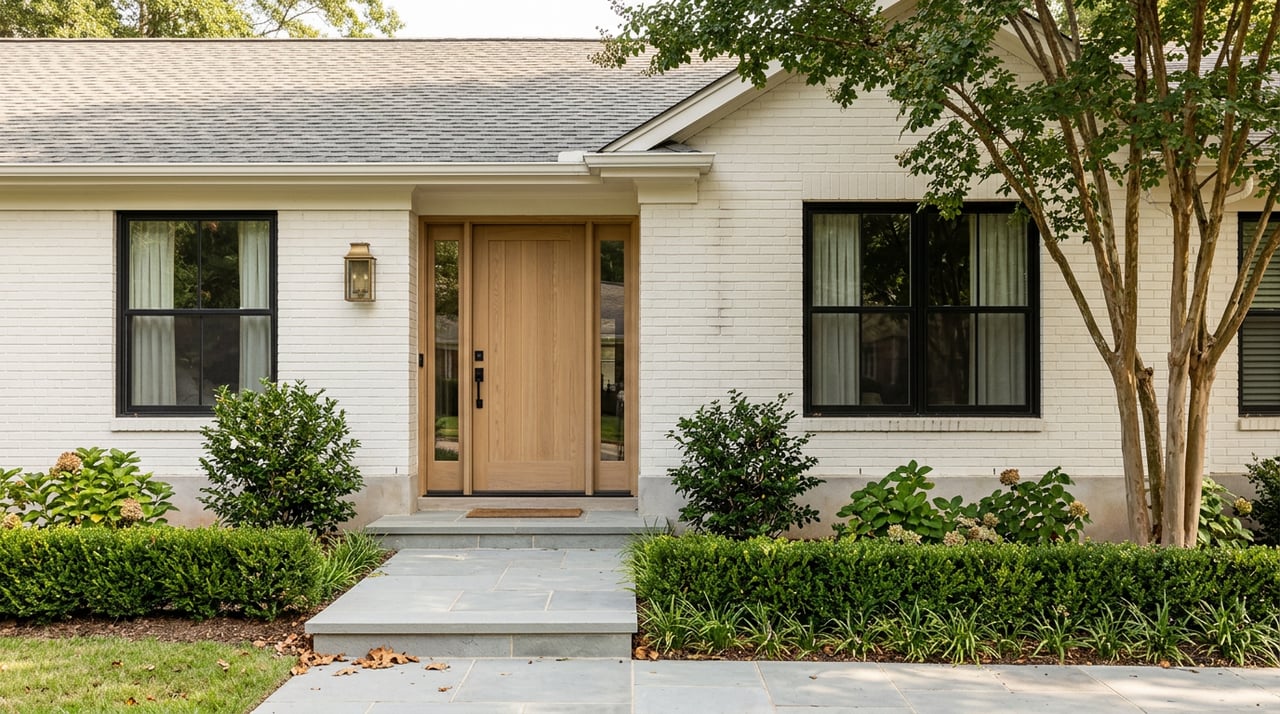
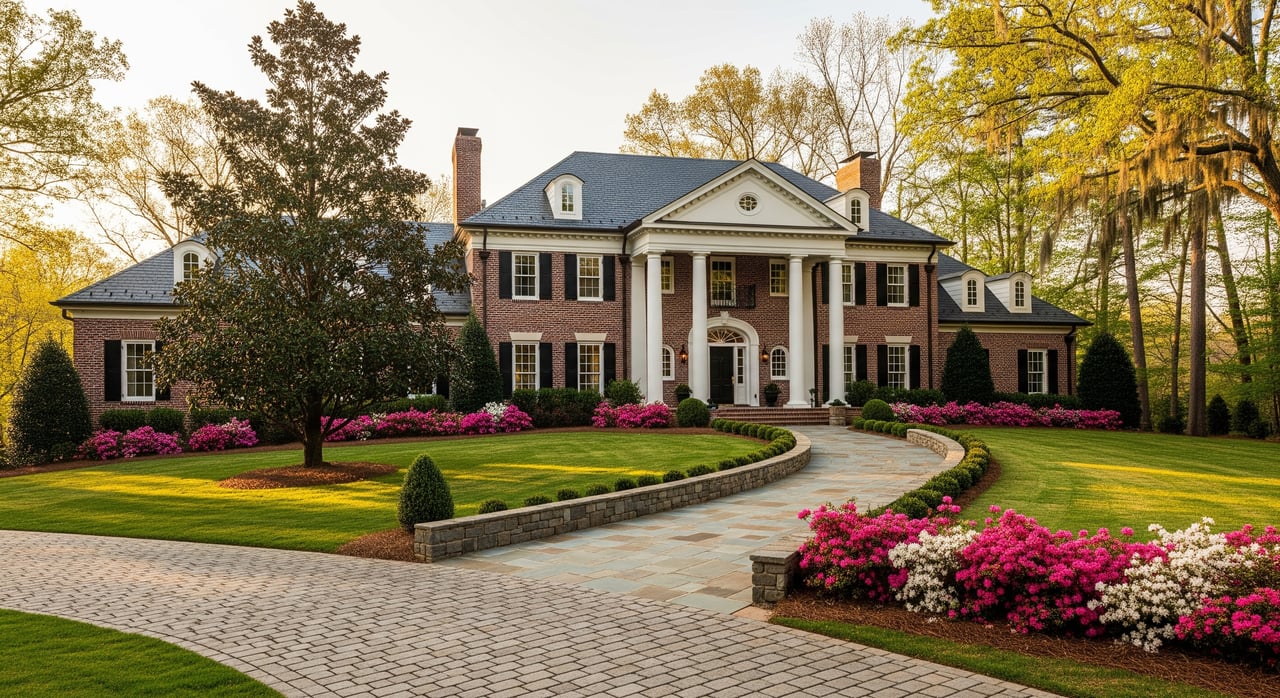
Colonial Revival reads as formal and balanced. You will notice symmetrical façades, centered front doors with pediments or porticos, multi‑pane double‑hung windows with shutters, and classical columns or pilasters. Many are brick, sometimes painted, with tidy yard edges and a clear, centered walkway. For national context on defining features, see the National Park Service’s overview. (NPS)
A center‑hall plan is typical, with formal rooms flanking the hall and a principal staircase. Many homes have been updated to open the kitchen to a family room at the rear while keeping the street‑facing symmetry intact. This balance preserves curb appeal and adds the everyday flow many buyers want.
You will find Colonial‑influenced homes on residential streets outside the immediate village cores, where lots widen and houses step back from the street. These make a great visual contrast to Tudor asymmetry, especially when you photograph a centered entry and a defined front landscape. Neighborhood snapshots reinforce this traditional thread across Mountain Brook’s residential areas. (The Scout Guide)
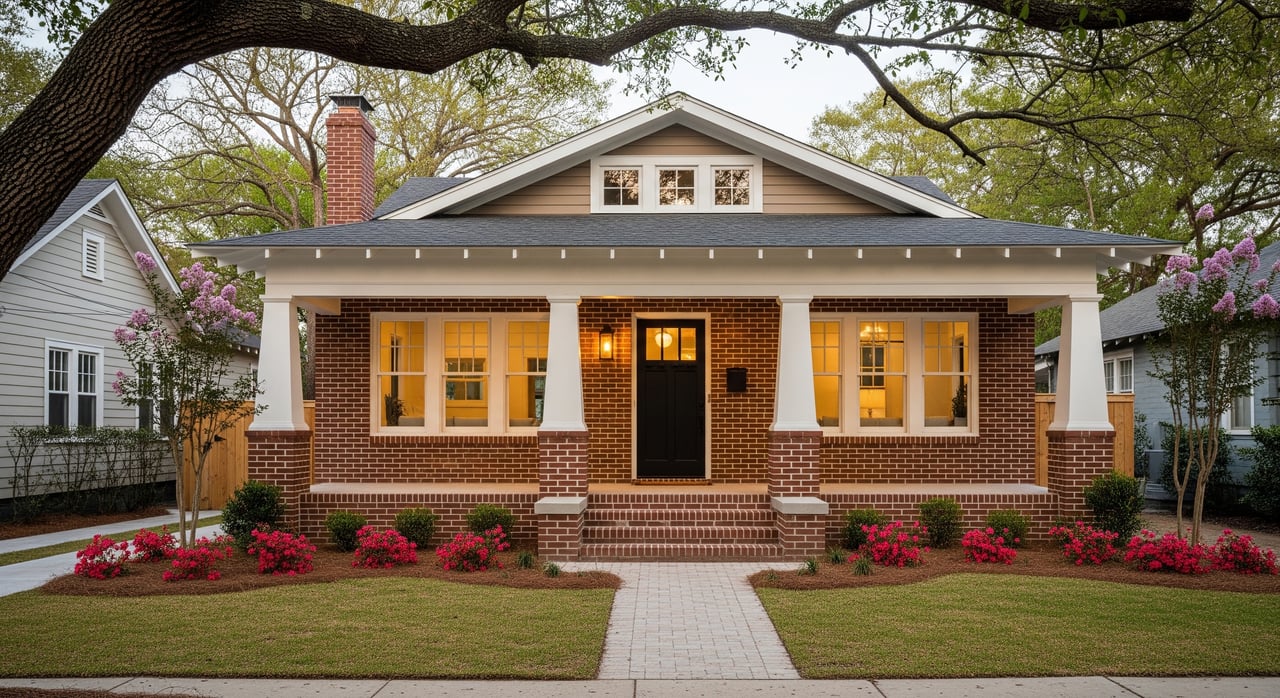
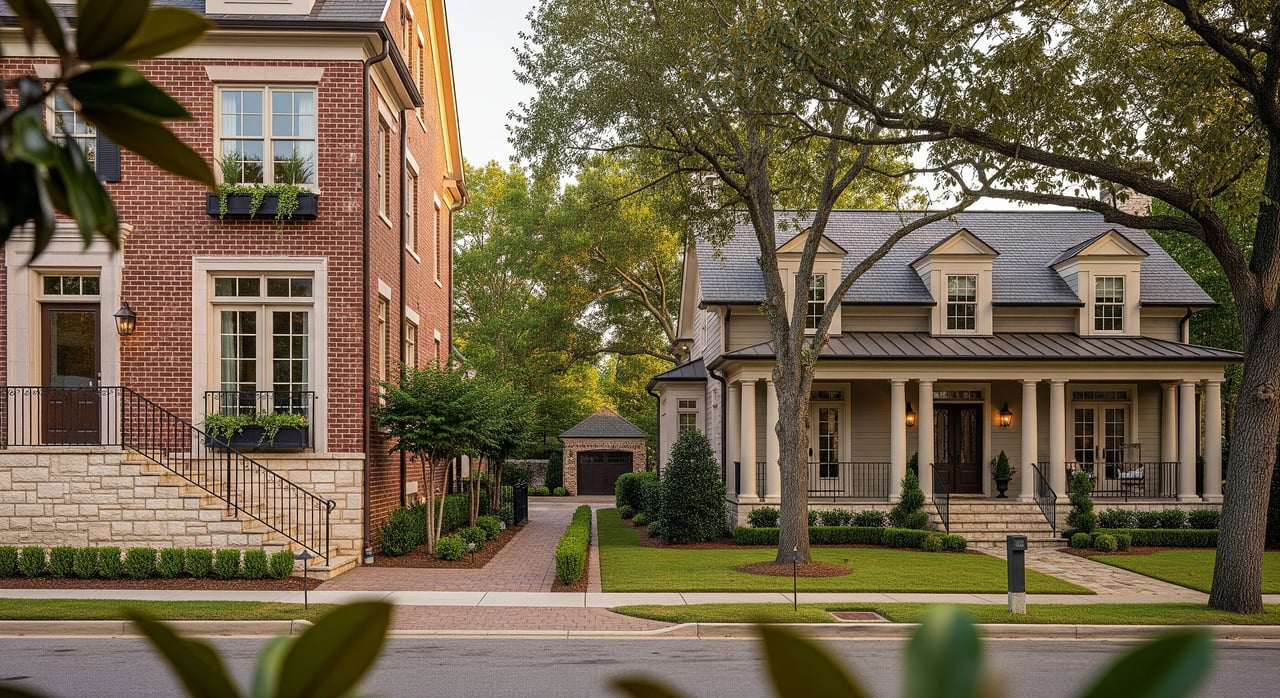
Craftsman and cottage homes lean welcoming and detail‑rich. Hallmarks include low to moderate gables, wide overhanging eaves with exposed rafter tails, porches supported by tapered columns on stone or brick piers, and natural materials like shingles and stone. Interiors often feature built‑ins, a fireplace focal point, and partial room separation that keeps spaces connected yet cozy. The National Register documentation outlines these character‑defining elements. (NPS Gallery)
Expect an informal flow from living room to dining room to kitchen with wide openings or half‑walls, plus built‑in bookcases and buffets. These homes deliver a lived‑in warmth and craftsmanship focus that design‑minded buyers appreciate. The scale is often comfortable rather than grand, which supports an easy, porch‑forward lifestyle.
You will spot bungalow and cottage examples throughout the city, especially on streets near Crestline and in parts of Brookwood Forest. Their scale and porch life play well with Mountain Brook’s mature canopy and winding streets. Neighborhood guides frequently point to these areas for smaller, detail‑rich homes. (The Scout Guide)
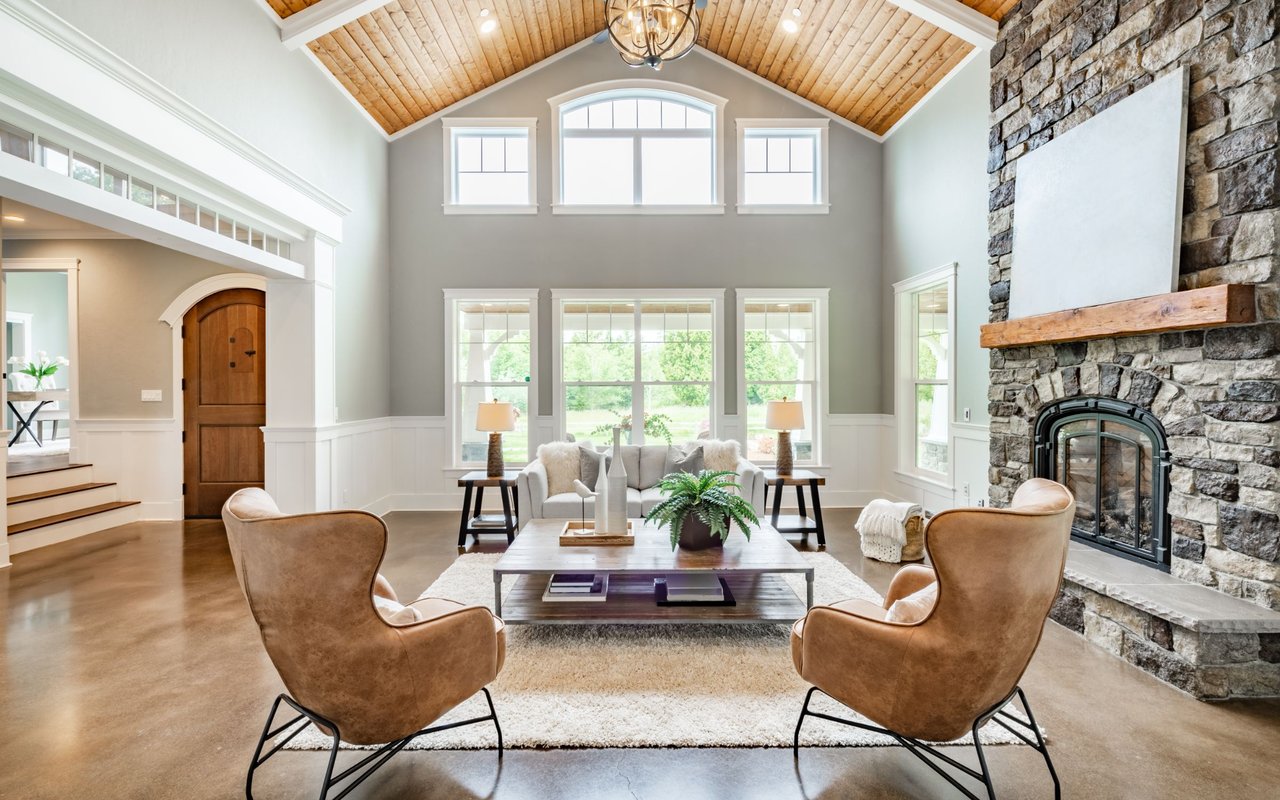
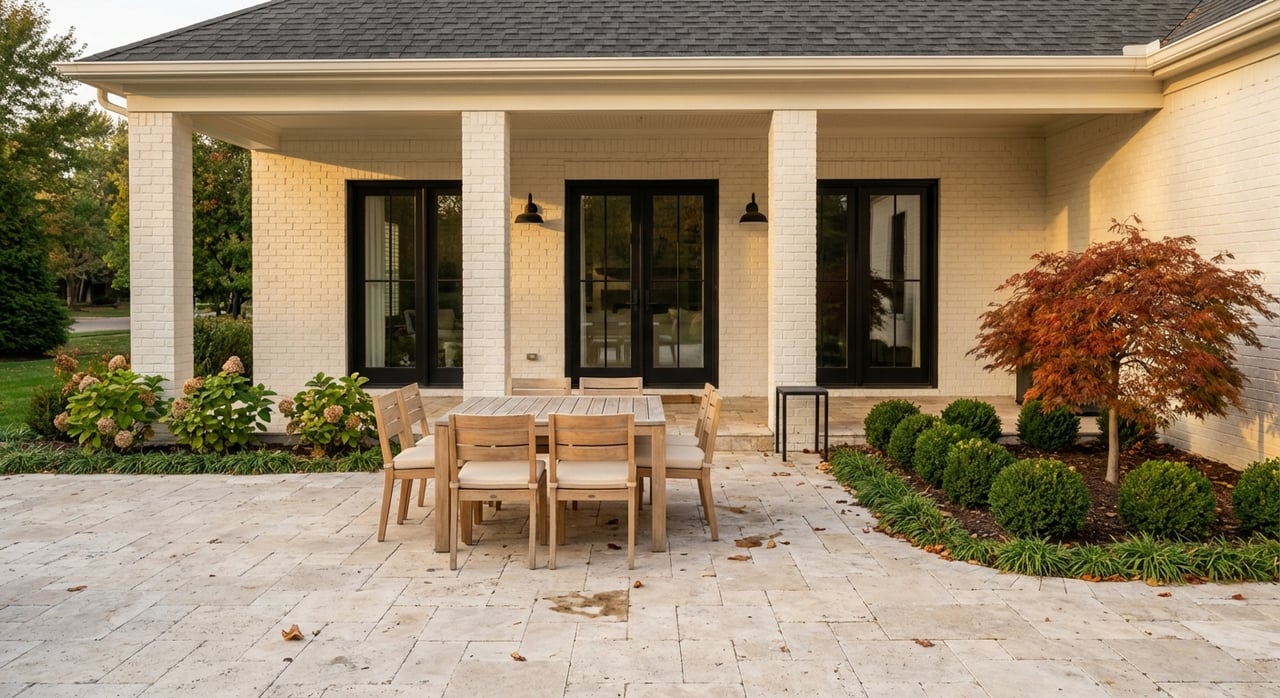
Mid‑century and ranch homes emphasize horizontal lines, low or flat roof pitches, large panes of glass, and minimal ornament. Many prioritize indoor‑outdoor connections through patios, decks, or terraces. Recent custom builds often blend modern volumes with warm materials and generous family spaces that suit today’s lifestyles.
You will often find open plans, sight lines across main living areas, and kitchens with large islands. Daylight and flow matter, with flexible rooms that work for entertaining or multi‑use needs. Outdoor living spaces feel integrated, which adds practical square footage for daily life.
Neighborhoods like Cherokee Bend and Brookwood Forest include mid‑century, ranch, and later custom examples, often on larger wooded lots that show how siting and landscape shape the architecture. Near Mountain Brook Village, projects like Lane Parke illustrate how contemporary mixed‑use and residential design are appearing around the cores. (The Scout Guide) (Patch)
Mountain Brook’s Village Master Plan emphasizes preserving streetscape character, particularly the pedestrian scale and English‑style architecture in the village cores. Many exterior‑facing renovations aim to keep the façade rhythm and roofline consistent, with additions placed toward the rear or carefully matched in pitch and material. Inside, owners often modernize kitchens, mechanicals, and family spaces to achieve open‑plan functionality while protecting curb appeal that the market values. If you plan to renovate, review city design guidance and consult the planning office for current policies. (City of Mountain Brook)
Use this quick checklist to guide what you photograph and how you compare styles.
For on‑the‑ground scouting, walk English Village for concentrated Tudor façades and details. Head to Mountain Brook Village to see the contrast between pedestrian storefronts and nearby estate homes. Stroll Crestline Village for a main‑street feel and cottage‑scale houses. Then explore Cherokee Bend and Brookwood Forest for mid‑century, ranch, and custom homes on larger lots. (Bhamwiki) (City of Mountain Brook) (The Scout Guide)
Whether you are drawn to Tudor storylines, Colonial symmetry, Craftsman porches, or open modern flow, Mountain Brook offers a range of homes that pair architectural character with an elevated everyday experience. If you are buying, knowing the visual cues helps you act quickly when the right home appears. If you are selling, presenting your home’s style honestly and highlighting the features buyers notice first can boost market response.
If you would like a tailored tour, market insight, or help planning value‑smart updates before you list, connect with TJ Cunningham for a concierge approach backed by proven local expertise.
TJ prides himself on his ability to truly listen to his client's needs and desires, ensuring that every transaction is personalized and tailored to your unique preferences.