Newer vs. Established Neighborhoods In Hoover: How To Choose
April 9, 2026
April 9, 2026
Trying to decide between a newer neighborhood and an established one in Hoover? It is a common question, and the answer is rarely as simple as “newer is better” or “older is cheaper.” If you are buying in Hoover, the real goal is to find the right fit for your budget, maintenance comfort level, and day-to-day lifestyle. Here’s how to compare your options with more confidence.
Hoover gives you a wide range of neighborhood styles, and the city itself draws a clear distinction between them. On its housing overview page, Hoover highlights older historic homes in Bluff Park, mid-century and traditional neighborhoods in Central Hoover, and many newer planned communities in West Hoover.
That local context matters. Hoover is not a one-note market. The city’s planning framework supports both redevelopment and continued growth, which helps explain why you can find mature neighborhoods with long-established streetscapes and newer communities still taking shape on the city’s outer edges.
From a market standpoint, Hoover is also a largely owner-occupied community. According to U.S. Census QuickFacts for Hoover, the owner-occupied housing rate is 71.1%, and the median value of owner-occupied homes is $412,200. Redfin’s February 2026 Hoover market data shows a median sale price of $420,000, with homes selling in about 69 days and a 98.5% sale-to-list ratio.
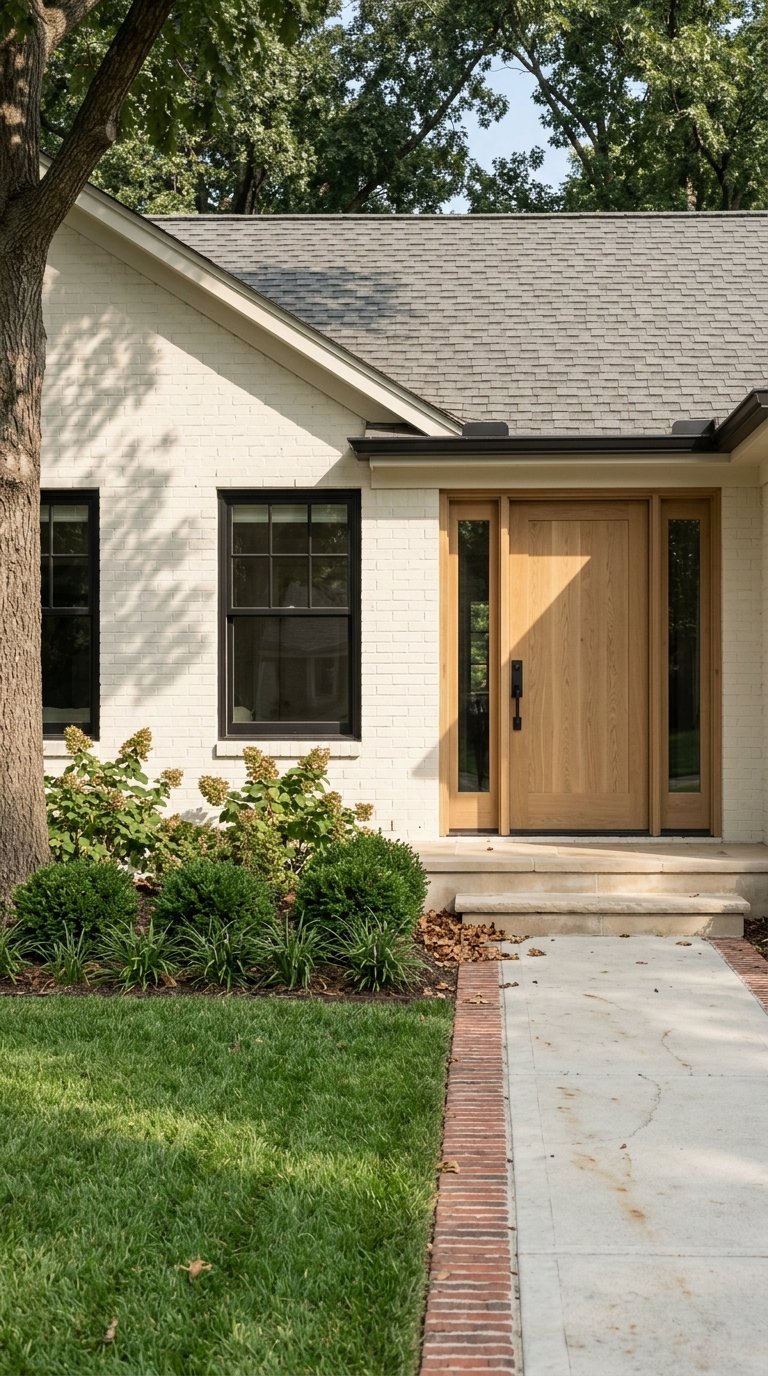
When buyers talk about established Hoover neighborhoods, they are often thinking about places like Bluff Park or parts of Central Hoover. The city describes these areas as having traditional housing patterns, with Bluff Park also seeing ongoing residential and commercial redevelopment.
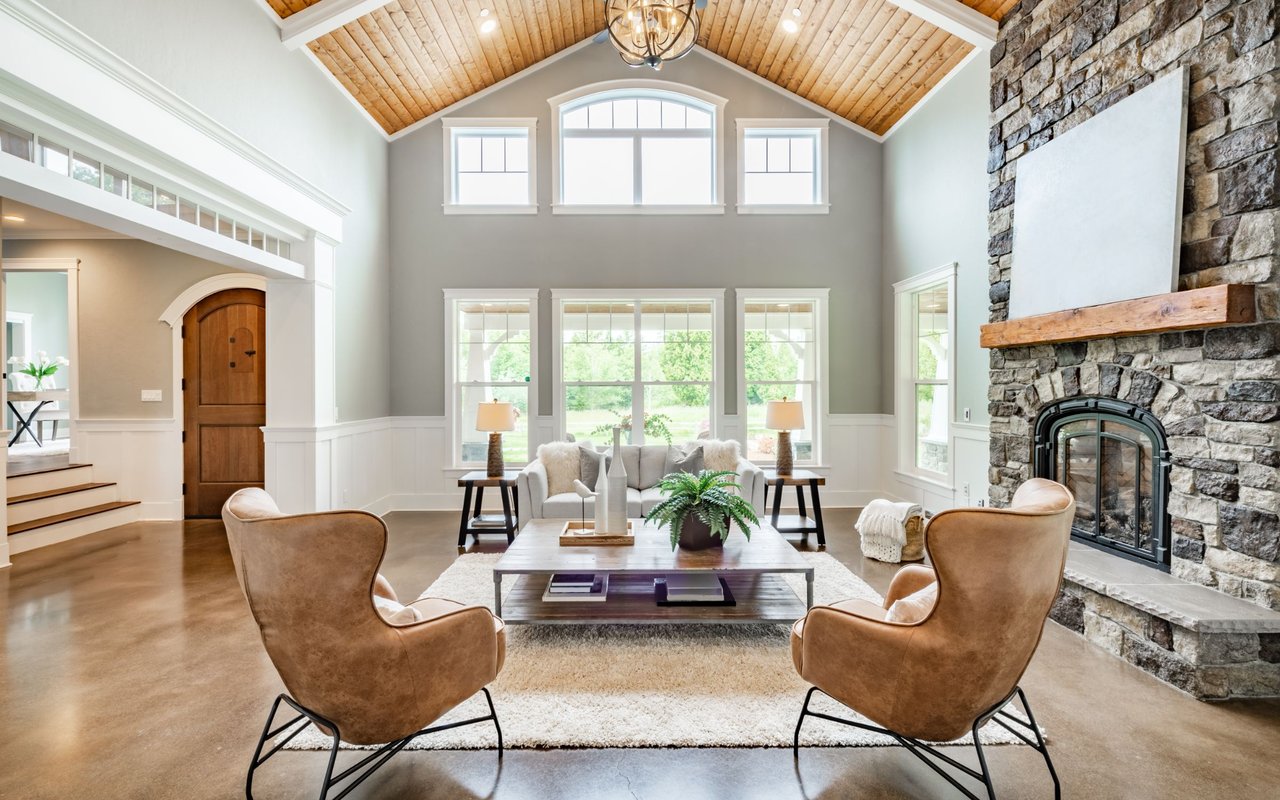
In practical terms, established neighborhoods often appeal to buyers who want more architectural variety, mature trees, and a setting that feels less newly planned. Hoover notes that Bluff Park features tree-lined streets and traditional homes, while Central Hoover includes mid-century and traditional neighborhoods.
That does not mean every older area will feel the same. Some homes may be updated and move-in ready, while others may need repairs, system upgrades, or cosmetic work. If you like character and are comfortable looking beyond surface finishes, established neighborhoods can offer strong options.
For buyers drawn to newer construction or a more uniform community layout, West Hoover often stands out. Hoover specifically points to planned communities and newer resort-style development in areas like Ross Bridge and Blackridge on its housing page.
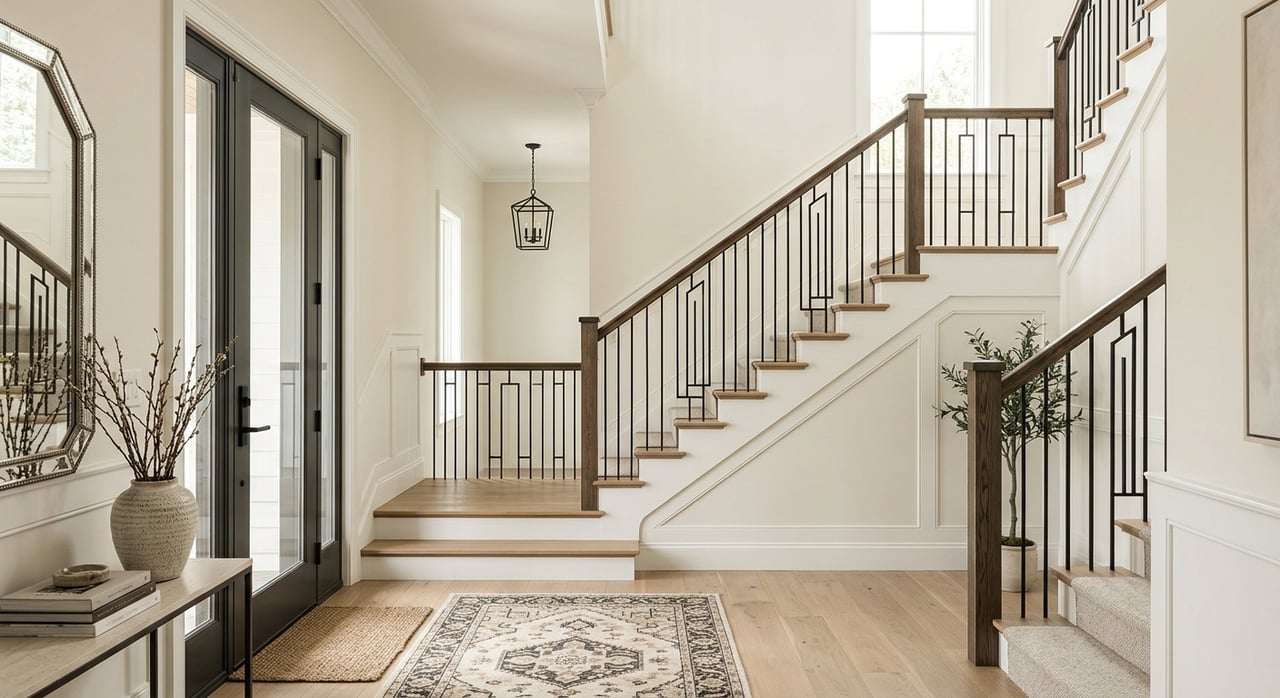
Newer neighborhoods often attract buyers who want updated floor plans, newer systems, and less immediate maintenance. You may also find a more consistent look from one section to the next, since many of these communities were built under a broader development plan.
Hoover also includes higher-end pockets with a different feel. For example, the city describes Greystone as estate homes along the ridges and valleys of Oak Mountain. That is a reminder that “newer” and “established” are only starting points. Within each category, the housing style, lot pattern, and overall setting can vary quite a bit.
One of the biggest trade-offs is what happens after closing. According to Redfin’s analysis of the aging housing inventory, older homes often come with aging systems, energy inefficiencies, and maintenance costs that can add up over time.
That does not mean an older Hoover home is the wrong choice. It means you should go in with a clear plan. An established neighborhood may offer more character or a lower entry price, but it can also require a more careful inspection process and extra cash reserves for repairs.
Newer homes usually offer updated systems and more energy-efficient materials. If your priority is reducing near-term maintenance, a newer neighborhood may feel more predictable. Still, even in a newer home, you want to evaluate build quality, layout, lot use, and long-term resale potential.
One mistake buyers make is assuming all newer neighborhoods offer the same kind of space. Nationally, that is not the trend. The National Association of Home Builders reports that the median new-home size fell to 2,150 square feet in 2024, and the median lot size fell to 8,400 square feet.
That matters in Hoover because many newer communities are planned very intentionally. Some buyers love that structure and efficiency. Others want a different relationship between the house, yard, and street.
As you compare homes, focus on specifics instead of assumptions:
A newer home may give you the finishes you want, but the lot may feel smaller than what you would find in some established parts of Hoover. The reverse can also be true if a newer community was designed around a specific lifestyle or setting.
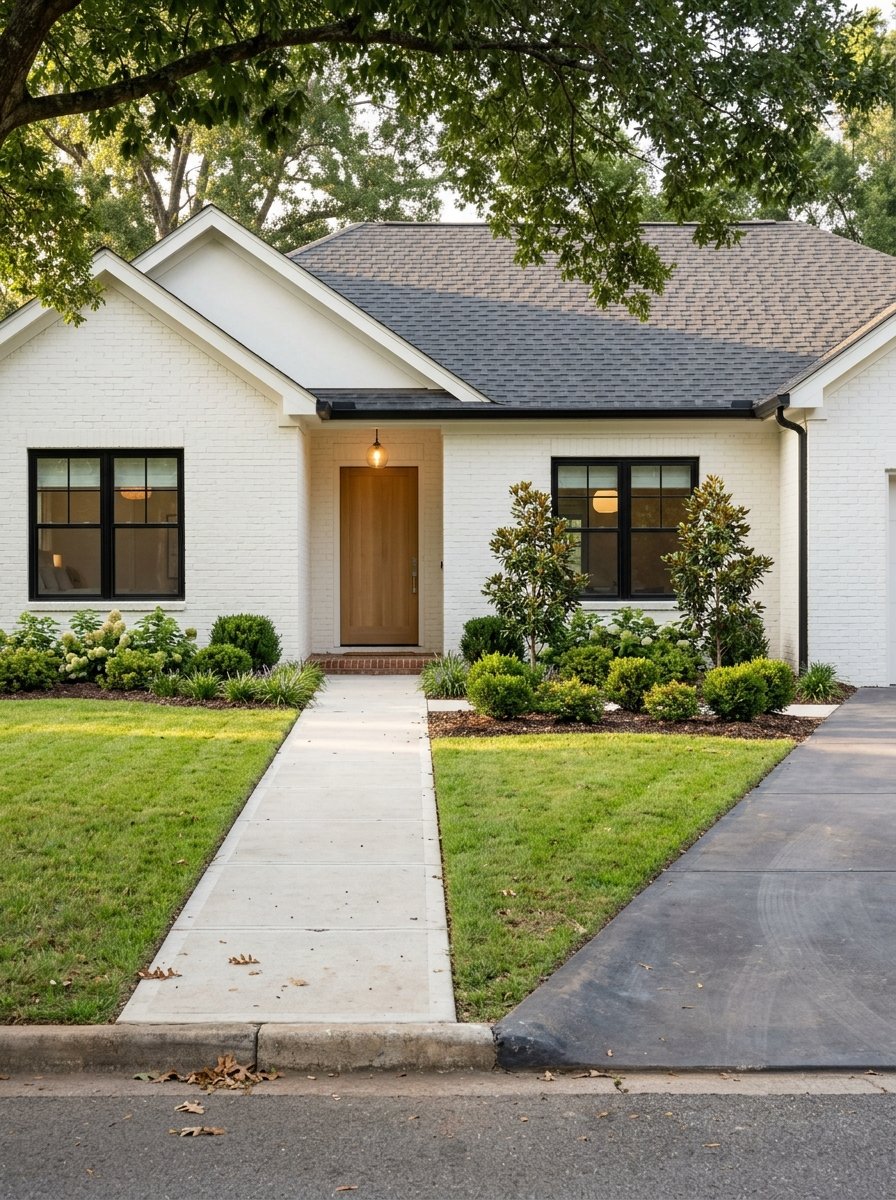
Neighborhood feel is hard to measure, but it matters. Hoover’s housing materials suggest a pattern many buyers already sense when touring homes: established areas are more likely to offer mature streetscapes and architectural variety, while newer areas often feel more planned and visually consistent.
Neither is automatically better. If you enjoy traditional homes, older trees, and a more varied streetscape, you may naturally gravitate toward established areas like Bluff Park or Central Hoover. If you prefer a more uniform look and newer commercial and recreational development nearby, West Hoover may align more closely with your priorities.
This is one reason in-person tours matter so much. Two homes with similar square footage and price points can feel completely different depending on the neighborhood form around them.
Many buyers assume a newer home will always cost much more. That is not necessarily true. Redfin reports that nationally, newer homes under five years old sold for more than homes over 30 years old, but Realtor.com’s first-quarter 2025 new-construction report cited in the research shows the new-construction premium had narrowed to 13.5%, its lowest first-quarter level since 2020.
For you as a Hoover buyer, the takeaway is simple: compare the full cost picture. A lower-priced older home may need repairs, upgrades, or system replacements sooner. A newer home may reduce those expenses, but the lot, location, or community format may not fit your long-term goals as well.
A smart comparison should include:
This step is especially important in Hoover. According to Hoover’s Property Zoning Information page, planned unit developments can have requirements beyond standard zoning. The city also notes that rezoning and conditional use requests go before the Planning & Zoning Commission and City Council.
The same source explains that water and sewer providers can vary based on the physical location of the property. In other words, two homes that seem similar on paper may differ in utility setup, subdivision rules, or nearby development potential.
Before you make an offer, verify:
This due diligence helps you avoid surprises and compare homes more accurately.
The best way to decide is to connect the neighborhood type to your actual goals. Hoover’s housing mix gives you choices, but clarity comes from knowing what matters most to you.
A newer neighborhood may be the better fit if you want:
An established neighborhood may be the better fit if you want:
Most buyers are not choosing between “good” and “bad.” They are choosing between different trade-offs. Once you define your priorities, the right answer usually becomes much clearer.
If you want help comparing Hoover neighborhoods in a practical, property-by-property way, TJ Cunningham can help you narrow your options, evaluate trade-offs, and move forward with a strategy that fits your goals.
TJ prides himself on his ability to truly listen to his client's needs and desires, ensuring that every transaction is personalized and tailored to your unique preferences.